
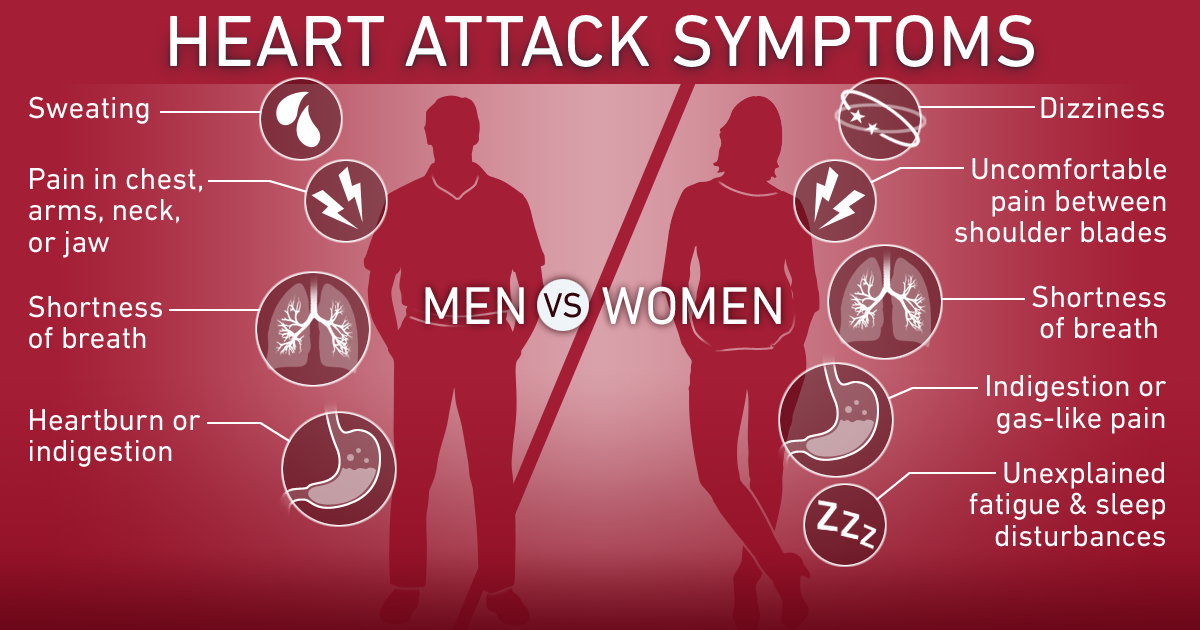
Heart disease often develops gradually, and its early symptoms can be subtle. Many adults overlook warning signs because they may appear mild or unrelated at first. Understanding the early symptoms of heart disease in adults is essential for timely awareness and long-term heart health.
One of the earliest signs of heart disease is unusual fatigue. Adults may feel tired even after adequate rest or experience reduced energy during routine activities. This fatigue occurs because the heart is not pumping blood as efficiently as it should, leading to reduced oxygen supply to the body.
Chest discomfort is another common early symptom. This may not always present as sharp pain but rather as pressure, tightness, or heaviness in the chest. Such sensations can occur during physical activity or emotional stress and usually ease with rest.
Shortness of breath often appears in the early stages of heart disease. Adults may notice difficulty breathing during activities that were previously easy. This symptom occurs when the heart struggles to supply enough oxygen-rich blood to meet the body’s needs.
Irregular heartbeat or palpitations can signal underlying heart issues. Adults may feel fluttering, pounding, or skipped beats. While occasional palpitations can be harmless, frequent or persistent irregular rhythms should not be ignored.
Swelling in the legs, ankles, or feet is another early symptom of heart disease. Fluid buildup occurs when the heart cannot pump blood effectively, causing circulation to slow and fluids to accumulate in lower extremities.
Dizziness or lightheadedness may also be linked to early heart disease. Reduced blood flow to the brain can cause feelings of imbalance or faintness. These episodes may occur suddenly and should be taken seriously.
Digestive discomfort can sometimes be an early warning sign. Nausea, indigestion, or stomach pain may occur due to reduced blood flow to digestive organs. These symptoms are often mistaken for digestive issues rather than heart-related problems.
Persistent coughing or wheezing can indicate fluid buildup in the lungs. This occurs when the heart struggles to circulate blood efficiently, leading to congestion in the respiratory system.
Sleep disturbances may also reflect early heart disease. Difficulty sleeping due to breathing issues or discomfort can be an early sign that the heart is under stress.
Emotional changes such as anxiety or unexplained feelings of unease may accompany early heart disease. These changes occur when the body senses reduced circulation and increased strain on the heart.
Recognizing the early symptoms of heart disease in adults allows individuals to take proactive steps toward heart health. Early awareness supports timely lifestyle adjustments and medical guidance. Paying attention to subtle changes in the body can help protect long-term cardiovascular well-being.
FAQS
What is heart disease
Heart disease includes conditions that affect heart function and blood flow.
Are early heart disease symptoms always severe
No, early symptoms are often mild or subtle.
Can fatigue indicate heart disease
Unusual or persistent fatigue can be an early warning sign.
Is chest discomfort always painful
It may feel like pressure or tightness rather than pain.
Does shortness of breath signal heart issues
Difficulty breathing can indicate reduced heart efficiency.
Are heart palpitations a concern
Frequent or persistent palpitations may signal heart problems.
Why does swelling occur in heart disease
Poor circulation causes fluid buildup in lower body areas.
Can dizziness be related to heart disease
Reduced blood flow to the brain can cause dizziness.
Do digestive symptoms relate to heart health
Digestive discomfort can sometimes be heart-related.
Why is early detection important
Early awareness supports better long-term heart outcomes.
Add a Comment