
Tooth sensitivity is a common dental issue that affects people of all ages. It often causes sharp or sudden discomfort when teeth are exposed to hot, cold, sweet, or acidic substances. Understanding the causes of tooth sensitivity and how to prevent it helps individuals protect their oral health and reduce daily discomfort.
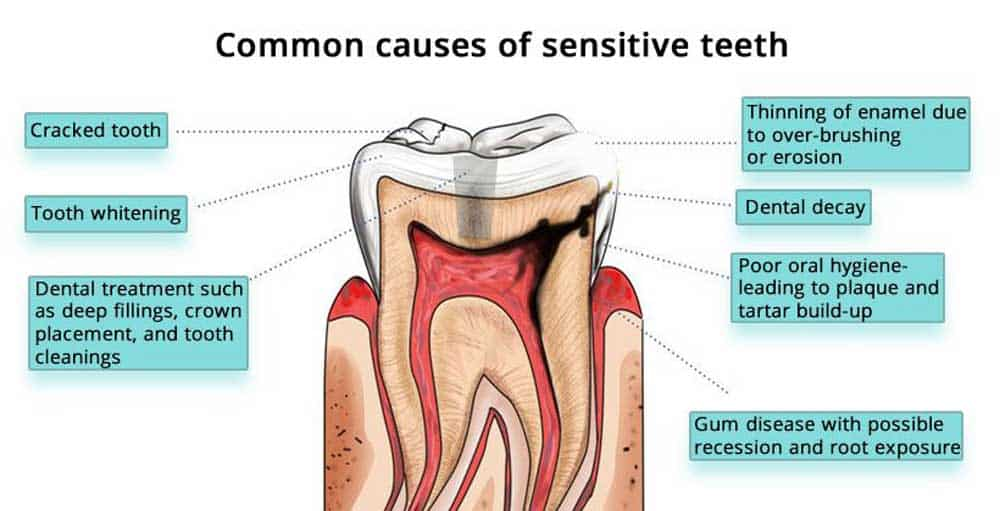
One of the most common causes of tooth sensitivity is enamel erosion. Enamel is the hard outer layer of the tooth that protects sensitive inner structures. When enamel wears down due to acidic foods, aggressive brushing, or poor oral habits, the underlying dentin becomes exposed, leading to sensitivity.
Gum recession is another major cause of tooth sensitivity. When gums pull away from the teeth, the tooth roots become exposed. Tooth roots lack protective enamel, making them more vulnerable to temperature changes and external.
Tooth decay can also contribute to sensitivity. Cavities create openings in the tooth structure, allowing external stimuli to reach sensitive nerves. Early stages of decay may cause sensitivity before visible damage becomes obvious.
Cracked or chipped teeth often lead to sensitivity. Even small cracks allow temperature or pressure to affect inner tooth nerves. These cracks may not always be visible but can still cause discomfort during eating or drinking.
Teeth grinding places excessive pressure on teeth, leading to enamel wear and sensitivity. Continuous grinding weakens tooth surfaces and increases exposure to sensitive areas. Over time, this habit significantly increases dental discomfort.
Improper brushing techniques can worsen tooth sensitivity. Brushing too hard or using hard-bristled toothbrushes damages enamel and gums. Gentle brushing with proper technique supports enamel protection and reduces sensitivity risk.
Dental procedures may temporarily cause tooth sensitivity. Treatments such as whitening, fillings, or cleanings can expose sensitive areas. This sensitivity usually fades as teeth adjust, but proper aftercare helps minimize discomfort.
Preventing tooth sensitivity begins with consistent oral hygiene. Maintaining clean teeth and healthy gums reduces enamel damage and protects sensitive structures. Gentle care is more effective than aggressive cleaning.
Using proper brushing habits supports long-term prevention. Choosing soft toothbrushes and controlled brushing motions protects enamel and gums. This simple change significantly reduces sensitivity risk.
Dietary awareness also plays an important role in prevention. Limiting frequent exposure to acidic foods and drinks protects enamel strength. Rinsing the mouth after acidic intake helps maintain oral balance.
Regular dental checkups support early detection of sensitivity causes. Identifying issues early prevents worsening damage and supports overall oral health. Prevention is most effective when combined with professional guidance and daily care.
Understanding the causes of tooth sensitivity and how to prevent it encourages better oral habits. With consistent care and awareness, individuals can protect their teeth and enjoy daily activities without discomfort.
FAQS
What is tooth sensitivity
Tooth sensitivity is discomfort caused by exposed inner tooth structures.
Can enamel erosion cause sensitivity
Yes, enamel loss exposes sensitive dentin layers.
Do receding gums increase sensitivity
Exposed tooth roots are highly sensitive.
Can cavities cause tooth sensitivity
Tooth decay allows stimuli to reach tooth nerves.
Does teeth grinding affect sensitivity
Grinding wears enamel and increases sensitivity.
Is brushing too hard harmful
Aggressive brushing damages enamel and gums.
Can dental treatments cause sensitivity
Some procedures may cause temporary sensitivity.
How can sensitivity be prevented
Gentle oral care and healthy habits reduce risk.
Does diet affect tooth sensitivity
Acidic foods can weaken enamel.
Are dental checkups important for sensitivity
Regular checkups help detect and prevent causes early.
Add a Comment