
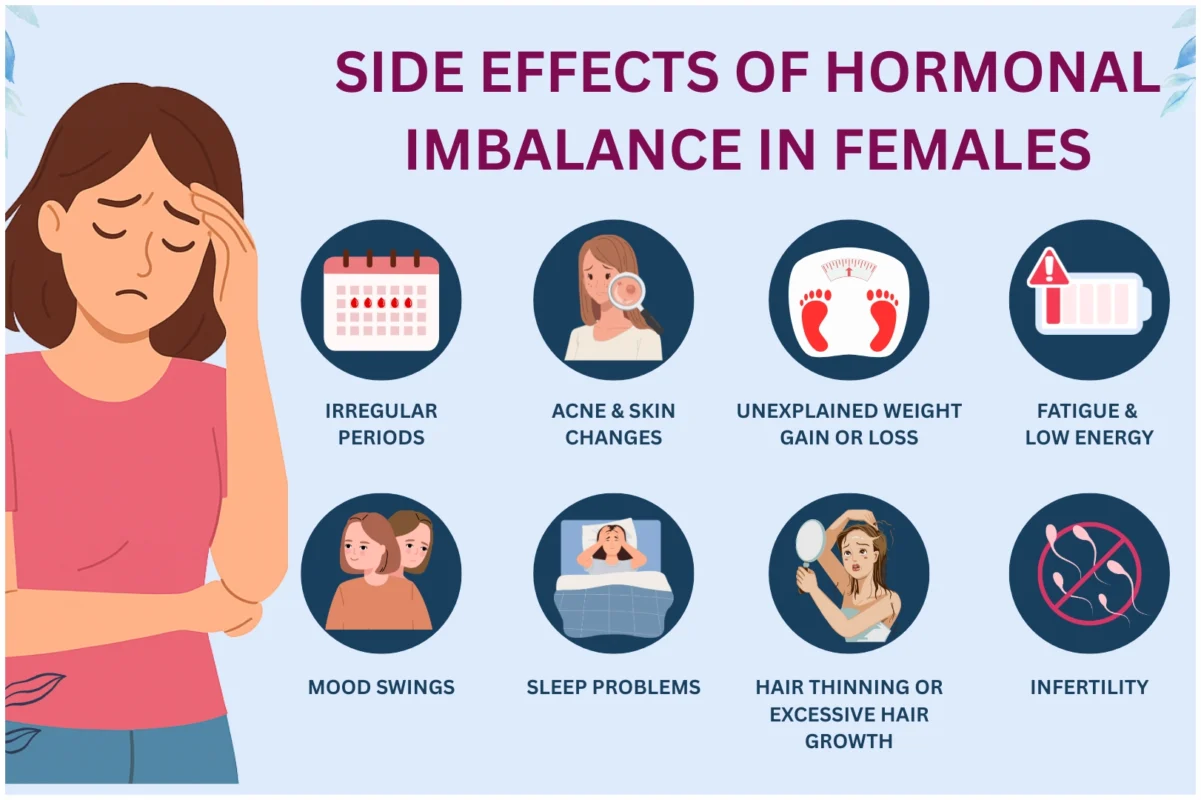
Hormones play a vital role in regulating many functions in a woman’s body, including metabolism, mood, sleep, and reproductive health. When hormone levels shift out of balance, the body often shows early warning signs. Understanding the early signs of hormonal imbalance in women helps identify changes before they affect long-term health.
One of the most common early signs of hormonal imbalance is irregular menstrual cycles. Periods may become unpredictable, lighter, heavier, or occur more frequently than usual. Hormones are responsible for regulating the menstrual cycle, and any disruption can affect timing and flow.
Unexplained weight changes may also indicate hormonal imbalance. Sudden weight gain or difficulty maintaining weight can occur even without changes in diet or activity. Hormones influence how the body stores and uses energy, making weight changes a noticeable early sign.
Mood changes are another early indicator. Hormonal imbalance can affect emotional stability, leading to irritability, anxiety, or low mood. Emotional fluctuations may feel intense or occur without clear reasons, impacting daily life and relationships.
Persistent fatigue is commonly associated with hormonal imbalance. Women may feel tired despite adequate rest. Hormones regulate energy production, and imbalance can reduce overall vitality and endurance.
Sleep disturbances often appear early in hormonal imbalance. Difficulty falling asleep, staying asleep, or experiencing restless sleep may occur. Hormonal changes disrupt sleep cycles, affecting recovery and mental clarity.
Changes in skin and hair health can signal hormonal shifts. Increased dryness, breakouts, or hair thinning may appear unexpectedly. Hormones influence skin renewal and hair growth, making these visible signs important indicators.
Digestive changes may also occur. Hormonal imbalance can affect digestion, leading to bloating, discomfort, or irregular bowel habits. The digestive system is sensitive to hormonal signals that regulate movement and absorption.
Reduced tolerance to stress can be another early sign. Women may feel overwhelmed more easily or have difficulty coping with daily pressures. Hormonal imbalance affects the body’s stress response system, making stress feel more intense.
Changes in appetite or cravings may indicate hormonal shifts. Hormones regulate hunger and fullness signals, and imbalance can disrupt these cues. Increased cravings or loss of appetite can occur unexpectedly.
Headaches or recurring discomfort may also be linked to hormonal imbalance. Fluctuating hormone levels can affect blood flow and nerve sensitivity, leading to frequent headaches.
Understanding the early signs of hormonal imbalance in women encourages awareness and self-observation. Early recognition allows for lifestyle adjustments that support hormonal stability. Paying attention to subtle changes helps maintain balance and overall gynecological health.
FAQS
What is hormonal imbalance
Hormonal imbalance occurs when hormone levels are too high or too low.
Can irregular periods indicate hormonal issues
Yes, cycle changes are common early signs.
Does hormonal imbalance affect mood
Hormones strongly influence emotional regulation.
Can fatigue be hormone-related
Persistent tiredness may result from hormonal shifts.
Do hormones affect sleep
Hormonal changes often disrupt sleep patterns.
Can skin changes signal hormonal imbalance
Skin and hair changes are common indicators.
Does hormonal imbalance affect digestion
Hormones influence digestive function and comfort.
Can stress worsen hormonal imbalance
Stress disrupts hormone regulation systems.
Are appetite changes hormone-related
Hormones regulate hunger and cravings.
Why is early detection important
Early awareness supports balance and long-term health.
Add a Comment