
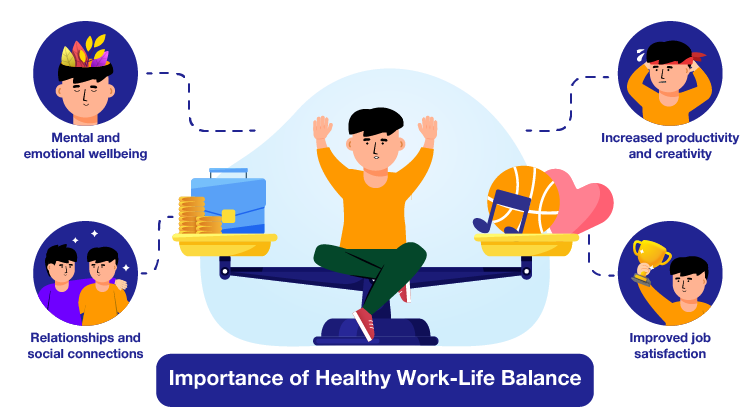
Emotional balance is a vital part of maintaining mental well-being. It refers to the ability to understand, manage, and respond to emotions in a healthy way. Understanding the importance of emotional balance for mental well being helps individuals build resilience, clarity, and inner stability in daily life.
One of the key benefits of emotional balance is improved emotional awareness. When emotions are balanced, individuals can recognize what they are feeling without being overwhelmed. This awareness allows for thoughtful responses rather than impulsive reactions.
Emotional balance supports stress management. Balanced emotions help reduce the intensity of stress responses. Instead of feeling consumed by pressure, individuals can process challenges calmly and maintain mental clarity during difficult situations.
Mental focus and decision-making improve with emotional balance. When emotions are regulated, the mind can concentrate more effectively. Balanced emotions reduce mental clutter, making it easier to evaluate situations and make clear decisions.
Emotional balance strengthens resilience. Life includes ups and downs, but emotional stability helps individuals recover more quickly from setbacks. Instead of dwelling on difficulties, balanced emotions support adaptability and emotional strength.
Relationships benefit greatly from emotional balance. When emotions are managed effectively, communication becomes healthier. Balanced emotional responses reduce misunderstandings and support mutual respect in personal and professional relationships.
Emotional balance also supports self-confidence. Understanding and accepting emotions helps individuals trust their responses. This confidence supports personal growth and emotional independence.
Sleep quality is influenced by emotional balance. Emotional overload often disrupts rest. Balanced emotions allow the mind to relax, supporting deeper and more restorative sleep. Quality sleep further strengthens emotional stability.
Emotional balance reduces mental exhaustion. Constant emotional highs and lows drain mental energy. Maintaining balance helps preserve mental resources, allowing individuals to remain engaged and productive.
Daily challenges feel more manageable with emotional balance. Balanced emotions help individuals view problems realistically rather than emotionally exaggerating them. This perspective reduces unnecessary mental strain.
Long-term mental well-being depends on emotional balance. When emotions are regulated consistently, mental health remains stable. Emotional balance supports long-lasting psychological strength and clarity.
Understanding the importance of emotional balance for mental well being highlights the need for self-awareness, patience, and emotional care. Balanced emotions create a foundation for mental clarity, resilience, and healthier life experiences.
FAQS
What is emotional balance
It is the ability to manage emotions effectively.
Why is emotional balance important
It supports mental stability and clarity.
Can emotional balance reduce stress
Yes, it helps manage stress responses.
Does emotional balance improve focus
Balanced emotions support concentration.
Can emotional balance strengthen relationships
Healthy emotional responses improve communication.
Does emotional balance affect sleep
Yes, it supports restful sleep.
Can emotional balance improve confidence
Understanding emotions builds self-trust.
Does emotional balance reduce mental fatigue
It helps preserve mental energy.
Is emotional balance important long-term
Yes, it supports lasting mental well-being.
How can emotional awareness help balance
Awareness allows healthier emotional responses.
Add a Comment