
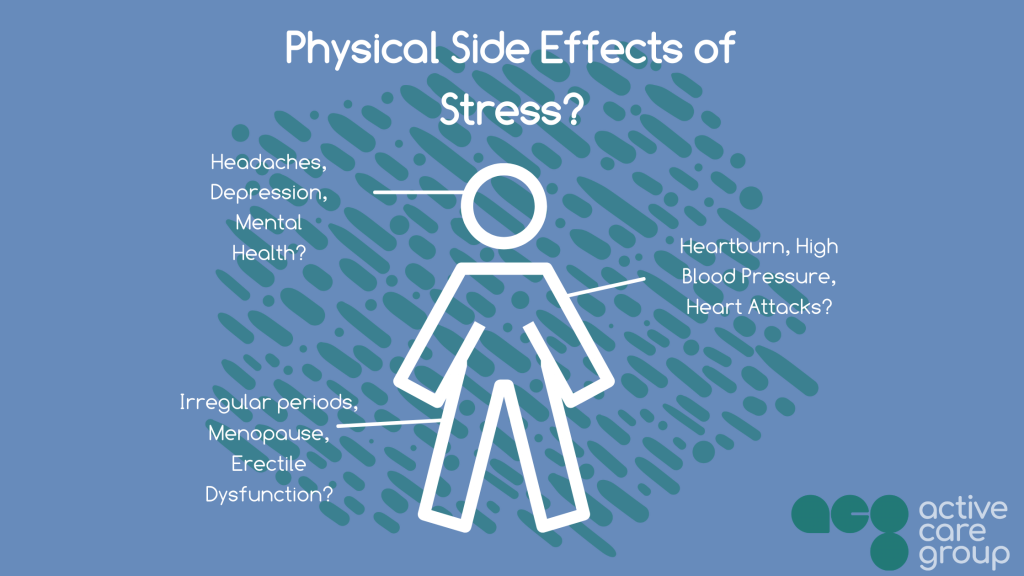
Daily stress has become a common part of modern life. While short-term stress can sometimes motivate action, continuous daily stress can gradually harm mental health. Understanding how daily stress affects long term mental health helps individuals recognize early signs and build healthier coping habits.
One of the primary effects of daily stress is constant mental pressure. When stress is experienced every day, the mind remains in a heightened state of alertness. This ongoing tension makes it difficult to relax, think clearly, or feel emotionally settled. Over time, mental fatigue becomes a regular condition.
Daily stress strongly affects emotional balance. Individuals may notice increased irritability, mood swings, or emotional numbness. Small challenges begin to feel overwhelming because the mind is already overloaded. Emotional reactions may feel stronger and harder to control.
Concentration and focus are often reduced by long-term daily stress. The brain struggles to prioritize tasks when under constant pressure. This can lead to forgetfulness, difficulty completing tasks, and reduced productivity. Mental clarity slowly declines when stress remains unmanaged.
Sleep patterns are closely linked to stress levels. Daily stress keeps the mind active even during rest hours. Difficulty falling asleep or poor sleep quality further increases stress, creating a cycle that negatively affects mental health. Lack of proper rest reduces emotional resilience.
Daily stress also increases the risk of persistent anxiety. When the mind is constantly worried or tense, it becomes difficult to feel calm or safe. Over time, this continuous worry shapes thought patterns that negatively affect mental well-being.
Motivation and interest in daily activities may decrease under constant stress. Activities that once felt enjoyable may start to feel exhausting. This loss of interest affects personal satisfaction and emotional stability.
Social behavior can also change due to daily stress. Individuals may withdraw from social interactions or become less patient with others. Communication may feel draining, which weakens emotional support systems and increases isolation.
Physical tension caused by stress contributes to mental strain. Tight muscles, headaches, and general discomfort send distress signals to the brain. This strengthens the connection between physical discomfort and mental stress, making relaxation harder.
Long-term exposure to daily stress reduces coping ability. When the mind is always under pressure, it struggles to adapt to new challenges. Emotional recovery becomes slower, and stress feels more intense over time.
Understanding how daily stress affects long term mental health highlights the importance of stress awareness and balance. Managing stress supports emotional clarity, mental strength, and overall well-being. Small daily adjustments can protect mental health and improve quality of life over time.
FAQS
What is daily stress
Daily stress is ongoing mental pressure from routine challenges.
How does stress affect mental health
It disrupts emotional balance and mental clarity.
Can daily stress cause anxiety
Yes, continuous stress increases anxious thoughts.
Does stress affect concentration
Long-term stress reduces focus and memory.
Can stress disturb sleep
Stress often disrupts rest and relaxation.
Does stress affect emotions
It can cause mood swings and irritability.
Can stress change social behavior
Yes, it may cause withdrawal or impatience.
Does physical tension increase stress
Body tension reinforces mental stress.
Why is long-term stress harmful
It reduces emotional resilience over time.
How can stress awareness help mental health
Awareness supports healthier coping habits.
Add a Comment