
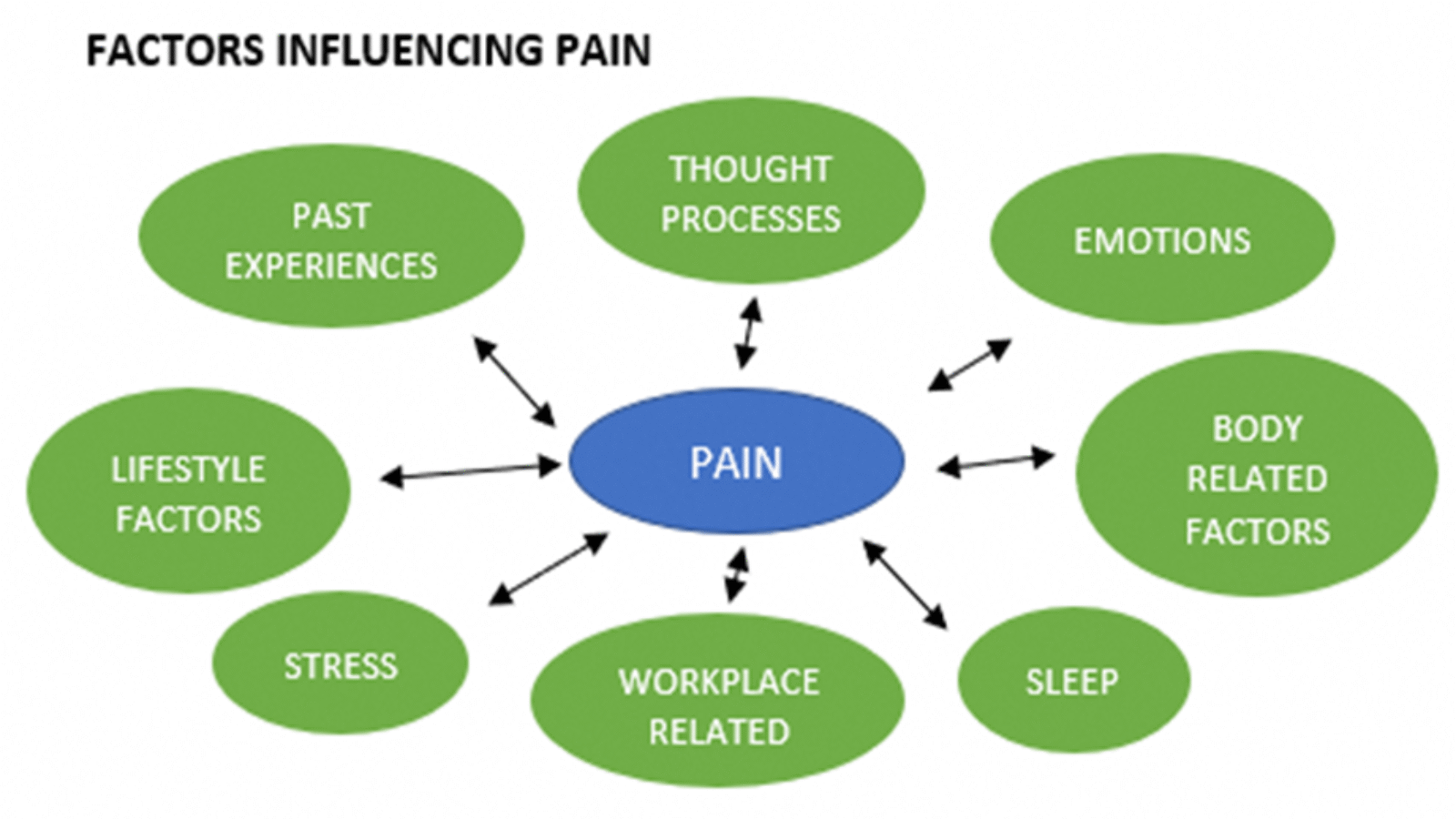
Lifestyle factors play a significant role in how the body experiences and manages pain over time. Long-term pain management depends not only on treatments but also on daily habits that influence physical comfort and resilience. Understanding how lifestyle factors influence long term pain management helps individuals make supportive choices that reduce discomfort and improve quality of life.
Physical activity levels strongly affect long-term pain. Regular and gentle movement helps maintain flexibility, circulation, and muscle strength. A lifestyle with minimal activity often increases stiffness and discomfort, making pain harder to manage over time.
Posture habits influence pain intensity and persistence. Daily sitting, standing, and movement patterns place stress on muscles and joints. Poor posture increases pressure on sensitive areas, while mindful alignment supports comfort and reduces strain.
Sleep routines have a direct impact on pain management. Inconsistent or poor-quality sleep increases pain sensitivity and slows physical recovery. Healthy sleep habits support tissue repair and improve the body’s ability to cope with pain.
Stress levels significantly influence pain perception. Chronic stress increases muscle tension and amplifies pain signals. Lifestyle choices that reduce stress support relaxation and lower pain intensity. Emotional balance plays a key role in long-term pain control.
Nutrition habits also affect pain management. Consistent and balanced eating supports energy and internal stability. Poor dietary routines may increase discomfort and reduce the body’s ability to manage inflammation naturally.
Hydration habits influence muscle and joint comfort. Dehydration contributes to stiffness and discomfort, especially during movement. Adequate fluid intake supports flexibility and reduces physical strain.
Daily routines shape pain outcomes. Irregular schedules disrupt the body’s natural rhythms. Consistent routines help regulate energy levels, movement, and rest, supporting long-term comfort.
Emotional health influences long-term pain management. Emotional strain increases pain awareness and reduces coping ability. Lifestyle habits that support emotional balance help reduce pain-related distress.
Technology usage also affects pain levels. Prolonged screen time encourages poor posture and inactivity. Managing technology use supports physical movement and reduces strain on the body.
Environmental factors related to lifestyle influence pain experience. Daily surroundings, work setups, and movement spaces affect physical comfort. Supportive environments reduce strain and improve pain control.
Long-term pain management depends on consistency rather than intensity. Small daily habits practiced regularly create meaningful improvement. Lifestyle factors influence how pain is experienced, managed, and tolerated over time.
Understanding how lifestyle factors influence long term pain management encourages awareness and intentional living. Supportive lifestyle choices strengthen the body’s ability to manage discomfort and maintain daily function.
FAQS
What are lifestyle factors in pain management
They are daily habits affecting physical comfort.
Does activity level influence pain
Regular movement helps reduce stiffness.
Can poor sleep increase pain
Yes, sleep affects pain sensitivity.
Does stress affect long-term pain
Stress amplifies pain perception.
Can posture habits worsen pain
Poor posture increases strain.
Does nutrition affect pain management
Eating habits support internal balance.
Is hydration important for pain control
Fluids support muscle comfort.
Can routines help manage pain
Consistent routines support stability.
Does emotional health affect pain
Emotional balance reduces pain distress.
Why are lifestyle changes important
They support sustainable pain management.
Add a Comment